Ramp-Up vs Non Ramp-Up Industrial Buildings: Which Is Better for Your Business?
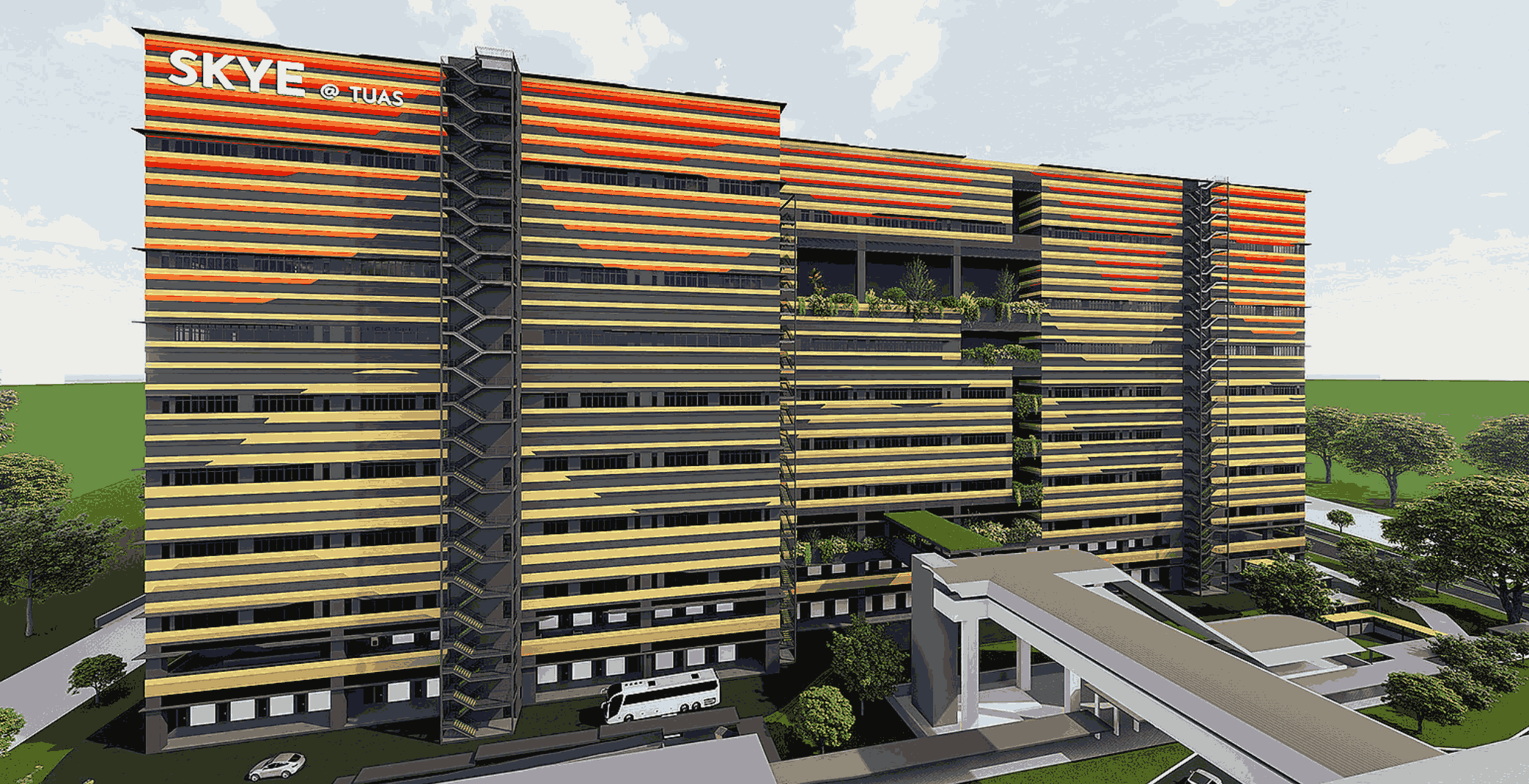
Choosing the right industrial space isn’t just about size and location—it’s about functionality. One of the most important decisions businesses face when selecting a facility is whether to go for a ramp-up or non ramp-up industrial building. Each comes with its own advantages, and the right choice depends largely on your operational needs.
So, which is better for your business? Let’s break it down.
What Is a Ramp-Up Industrial Building?
Ramp-up industrial buildings are designed with vehicle access ramps that allow trucks and vans to drive directly up to higher floors. This means loading and unloading can take place at multiple levels—not just the ground floor.
Key Advantages:
Direct vehicle access to units on upper floors
Faster loading and unloading, reducing reliance on lifts
Improved operational efficiency for logistics-heavy businesses
Best Suited For:
E-commerce and last-mile delivery operations
Logistics and distribution companies
Businesses with high-frequency goods movement
What Is a Non Ramp-Up Industrial Building?
Non ramp-up buildings rely on cargo lifts and loading bays located primarily on the ground floor. Goods are transported vertically via lifts rather than driven directly to upper levels.
Key Advantages:
Lower rental and operating costs in many cases
More compact design, often suitable for lighter industrial use
Ideal for businesses that don’t require constant vehicle access
Best Suited For:
Light manufacturing
Warehousing with less frequent movement
Businesses prioritizing cost efficiency over speed
Key Differences That Matter
1. Operational Efficiency
Ramp-up buildings provide quicker turnaround times since vehicles can access multiple floors directly. This reduces waiting time for lifts and streamlines workflow.
Non ramp-up buildings, on the other hand, may experience bottlenecks during peak hours due to shared lift usage.
2. Cost Considerations
Ramp-up facilities typically come at a premium due to their convenience and infrastructure.
Non ramp-up buildings are generally more budget-friendly, making them attractive for businesses looking to manage overhead costs.
3. Space Utilization
Ramp-up buildings often have slightly reduced usable space due to ramp structures.
Non ramp-up buildings tend to maximize floor area, which can be beneficial if vertical transport is not a major concern.
4. Scalability and Flexibility
If your business anticipates growth in logistics volume, a ramp-up facility provides more flexibility to scale operations efficiently.
However, if your operations are stable and predictable, a non ramp-up building may be sufficient.
So, Which Should You Choose?
There’s no one-size-fits-all answer.
Choose a ramp-up industrial building if your business depends on speed, high throughput, and frequent vehicle access.
Choose a non ramp-up industrial building if your priority is cost savings and your operations don’t require constant loading and unloading.
Ultimately, the “better” option is the one that aligns with your workflow, budget, and long-term growth plans.
Conclusion
Both ramp-up and non ramp-up industrial buildings serve distinct purposes. Understanding how each type supports your daily operations can make a significant difference in efficiency and cost management.
Making the right choice today can set your business up for smoother operations and stronger growth tomorrow.
Not Sure Which Option Fits Your Needs?
Every business is different—and choosing the wrong type of industrial space can lead to inefficiencies and unnecessary costs.
Speak with our team today for a tailored recommendation based on your operations, budget, and growth plans. We’ll help you find the right space that works as hard as your business does.
