Why Ceiling Height Matters More Than You Think in Industrial Buildings
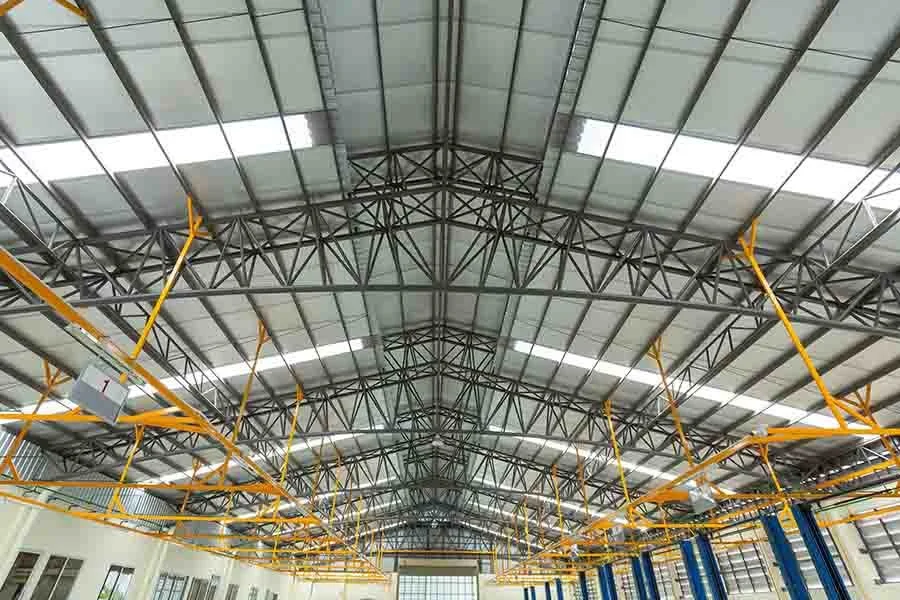
When planning or evaluating an industrial building, most people focus on location, floor space, or rental cost. While these factors are undeniably important, one critical element is often overlooked: ceiling height. In reality, ceiling height can significantly influence efficiency, safety, scalability, and even long-term profitability.
1. Maximizing Storage Capacity
One of the most immediate advantages of higher ceilings is the ability to utilize vertical space. Industrial operations—especially warehousing and logistics—rely heavily on storage efficiency. Taller ceilings allow for:
High-density racking systems
Vertical stacking of goods
Better organization of inventory
Instead of expanding outward and increasing your footprint (and costs), you can build upward, making better use of the same square footage.
2. Supporting Advanced Equipment and Automation
Modern industrial facilities are rapidly adopting automation technologies such as conveyor systems, robotic arms, and automated storage and retrieval systems (AS/RS). These systems often require additional vertical clearance to function optimally.
Low ceilings can limit your ability to:
Install overhead machinery
Upgrade to automated systems in the future
Adapt to evolving industry standards
In contrast, buildings with sufficient height offer flexibility for technological upgrades without costly structural modifications.
3. Improving Workflow Efficiency
Ceiling height can directly impact how smoothly operations run. Taller spaces allow for better layout design, including:
Clear separation of work zones
Safer movement of forklifts and equipment
Reduced congestion on the floor
This translates into faster processes, fewer bottlenecks, and increased overall productivity.
4. Enhancing Ventilation and Temperature Control
Industrial environments often generate heat, dust, or fumes. Higher ceilings improve air circulation by allowing hot air to rise and disperse more effectively. This can:
Reduce reliance on heavy cooling systems
Improve worker comfort
Maintain safer air quality
In facilities dealing with chemicals, manufacturing, or heavy machinery, this becomes especially important for both compliance and employee well-being.
5. Increasing Natural Lighting Opportunities
Taller buildings can accommodate larger windows or skylights, which introduce more natural light into the workspace. Benefits include:
Lower energy costs
Improved visibility for workers
Enhanced morale and productivity
A well-lit environment also reduces the likelihood of accidents, contributing to a safer workplace.
6. Future-Proofing Your Investment
Industrial needs evolve over time. A building that meets today’s requirements may fall short tomorrow. Ceiling height plays a crucial role in future-proofing because it allows:
Business expansion without relocation
Adaptation to new storage or production methods
Increased resale or rental value
Buildings with higher ceilings are generally more attractive to a wider range of tenants and buyers.
7. Safety Considerations
Higher ceilings can contribute to safer operations by providing:
Adequate clearance for equipment
Reduced risk of collisions
Better installation of fire suppression systems
In many cases, regulatory standards also require specific vertical clearances, making ceiling height a compliance issue as well.
Conclusion
Ceiling height is far more than a structural detail—it’s a strategic asset. From boosting storage capacity and enabling automation to improving safety and future scalability, the vertical dimension of an industrial building plays a key role in operational success.
When evaluating or designing your next facility, don’t just think about how much space you have—think about how high it goes. It might be the difference between a building that simply works and one that truly performs.
Ready to Find the Right Space?
Choosing the right industrial property goes beyond square footage—it’s about finding a space that supports your operations today and scales with you tomorrow.
Get in touch with our team today to explore industrial spaces with optimal ceiling heights tailored to your business needs. Whether you're expanding, relocating, or investing, we’ll help you make a smarter, future-ready decision.
